How Much Can You Save with Ontario Insulation Rebates in 2026?
A plain-language breakdown of the Ontario insulation rebates available in 2026, how much homeowners typically save on attic upgrades, and how PolarCore's $0-upfront model…
Read Article →
Ontario winters put every home to the test. When insulation is thin, aged or unevenly installed, the cold finds its way in — and your furnace works overtime to keep up. The good news is that your house usually tells you when something is wrong, long before the coldest days of January arrive.
Here are seven signs that your home may be ready for an insulation upgrade, and what each one is quietly costing you in comfort and heating dollars.
If your natural gas or hydro bill has crept up winter after winter without a matching change in the weather or the thermostat, poor insulation is a likely culprit. Heat that escapes through the attic, walls and rim joists has to be replaced constantly. In many Ontario homes, the attic is the single largest source of heat loss, which is why an attic insulation upgrade is often the fastest way to see a difference on your bill.
Drafts near baseboards, electrical outlets, window frames or where the ceiling meets exterior walls are a telltale sign that conditioned air is leaking out and cold air is sneaking in. Insulation and air sealing work together — you can add insulation, but without sealing the gaps around it, those drafts will keep coming.
Is your living room comfortable while the upstairs bedroom stays chilly, or vice versa? Uneven temperatures from room to room usually point to inconsistent or compressed insulation, gaps in coverage, or an under-insulated attic above certain rooms. A properly insulated home holds a much steadier temperature throughout.
Those thick ridges of ice along the edge of your roof and the icicles hanging from the eaves are more than a winter postcard — they are a warning. Ice dams form when heat escaping into the attic melts snow on the upper roof, which then refreezes at the colder eaves. Left unchecked, the trapped water can back up under shingles and leak into your home.
Ice dams are almost always an insulation and ventilation problem, not a roofing one. Fixing the heat loss in the attic is what stops them from coming back.
Persistently cold floors — especially over an unheated basement, crawl space or garage — often mean the insulation beneath them is missing, thin or has settled. Cold floors make a room feel colder than the thermostat reads, prompting you to turn up the heat and spend more.
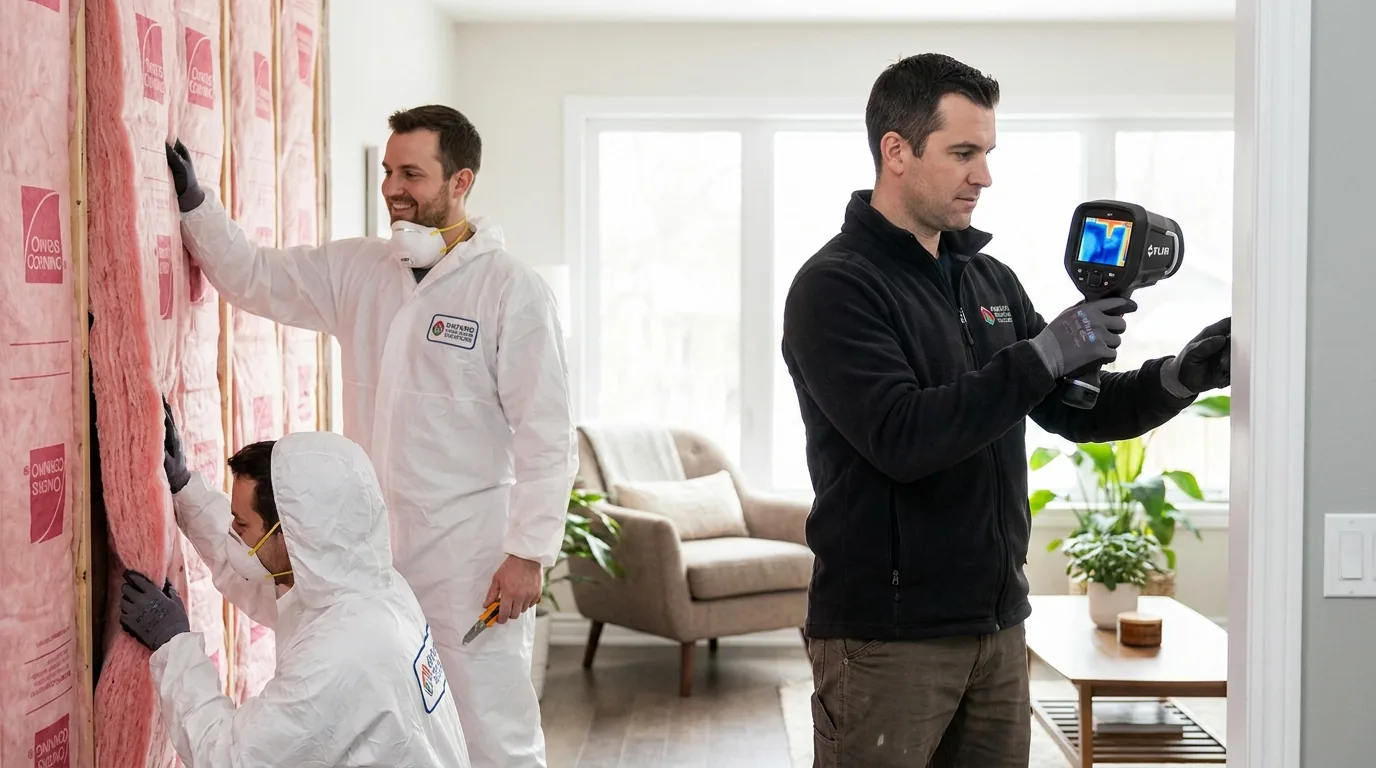
If you can see the attic floor joists poking above the insulation, or the material looks matted, darkened or compressed, it is no longer performing at its rated value. Insulation loses effectiveness as it settles or absorbs moisture over the years. Homes built decades ago were often insulated to standards well below what is recommended today.
As an Owens Corning authorized installer, PolarCore Systems uses PINK NEXT GEN® Fiberglas™ insulation to bring older attics back up to modern R-value targets.
Damp insulation, frost on the underside of the roof deck, a musty smell or visible mould in the attic all signal a problem. Warm, humid indoor air is escaping upward, meeting cold surfaces and condensing. Beyond ruining insulation, attic moisture can damage the roof structure and lead to mould. This is one sign you should not ignore.
If one or more of these signs sounds familiar, the first step is a proper assessment. PolarCore Systems offers free home assessments across Toronto, the GTA and Ontario, so you get a clear picture of where your home is losing heat before you commit to anything.
Don’t wait until the coldest week of the year to find out your home isn’t ready. Book your free assessment online today, or call our team at (647) 740-9246, and let’s get your home warmer, quieter and more efficient before winter sets in.
Book a free assessment — we’ll calculate your rebate eligibility and handle every form. $0 upfront for most homes.

A plain-language breakdown of the Ontario insulation rebates available in 2026, how much homeowners typically save on attic upgrades, and how PolarCore's $0-upfront model…
Read Article →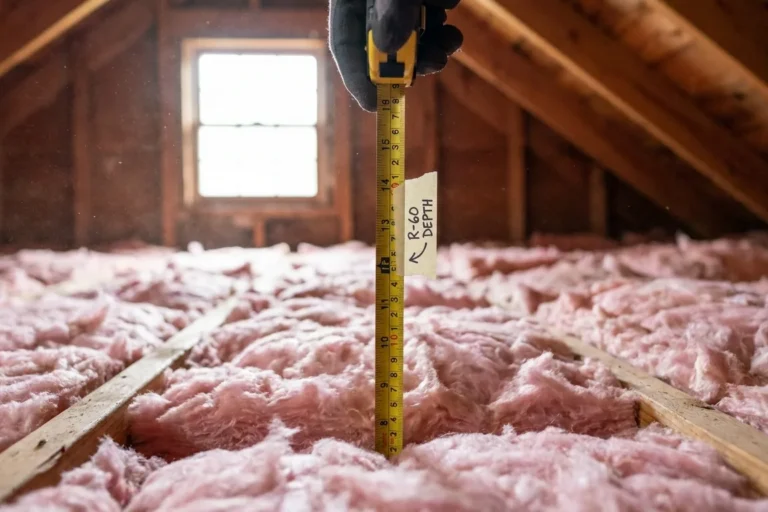
R-value measures how well insulation resists heat flow. Here's what Ontario's R-60 attic target means, how much depth it takes, and why topping up…
Read Article →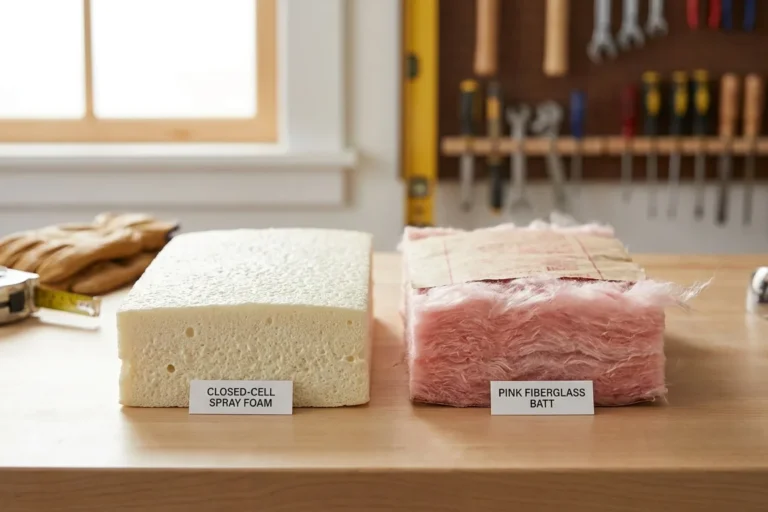
A balanced, Ontario-focused comparison of spray foam and fiberglass batt insulation — R-value, air sealing, cost, best use cases, and which one qualifies for…
Read Article →