How Much Can You Save with Ontario Insulation Rebates in 2026?
A plain-language breakdown of the Ontario insulation rebates available in 2026, how much homeowners typically save on attic upgrades, and how PolarCore's $0-upfront model…
Read Article →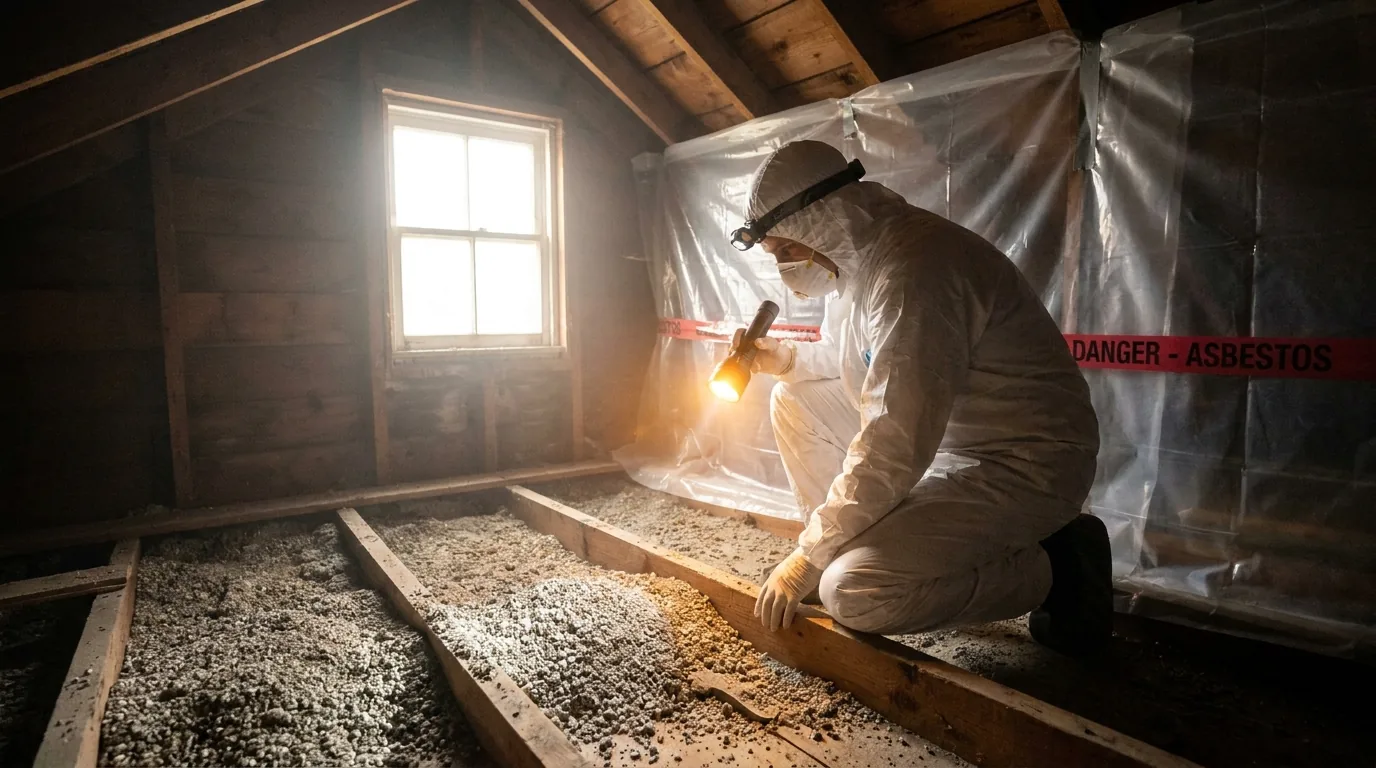
If your Ontario home was built or insulated before the mid-1980s, there is a real chance the attic holds a material worth understanding before you ever set foot up there: vermiculite insulation. It looks harmless, but a large share of it is linked to asbestos contamination. This guide explains what vermiculite is, why it carries risk, and the safe, methodical way to deal with it.
Vermiculite is a naturally occurring mineral that expands when heated, forming lightweight, pebble-like granules. For decades it was poured into attics and wall cavities as loose-fill insulation. You can usually recognize it by its distinctive look:
Vermiculite itself is not asbestos. The problem is where much of it came from.
A very large portion of the vermiculite sold in North America was mined near Libby, Montana, at a site that happened to sit on a natural deposit of asbestos. Much of that material was sold under the brand name Zonolite. Because the asbestos and vermiculite were mixed together in the ground, the finished insulation could carry asbestos fibres.
Health Canada and the EPA advise that vermiculite from this source should be presumed to contain asbestos unless testing proves otherwise. Not every granule is contaminated, but the only way to know is to test.
Asbestos is dangerous only when its microscopic fibres become airborne and are inhaled. Exposure is associated with serious lung disease, including asbestosis and mesothelioma, often decades after the fact. Undisturbed vermiculite sealed in an attic generally poses little immediate risk, which leads to the single most important rule.
If you suspect you have vermiculite, the safest first action is to leave it completely alone. Disturbing it is what releases fibres into the air. That means:
If the attic must stay closed for now, that is a perfectly acceptable outcome. The danger comes from disturbance, not from presence alone.
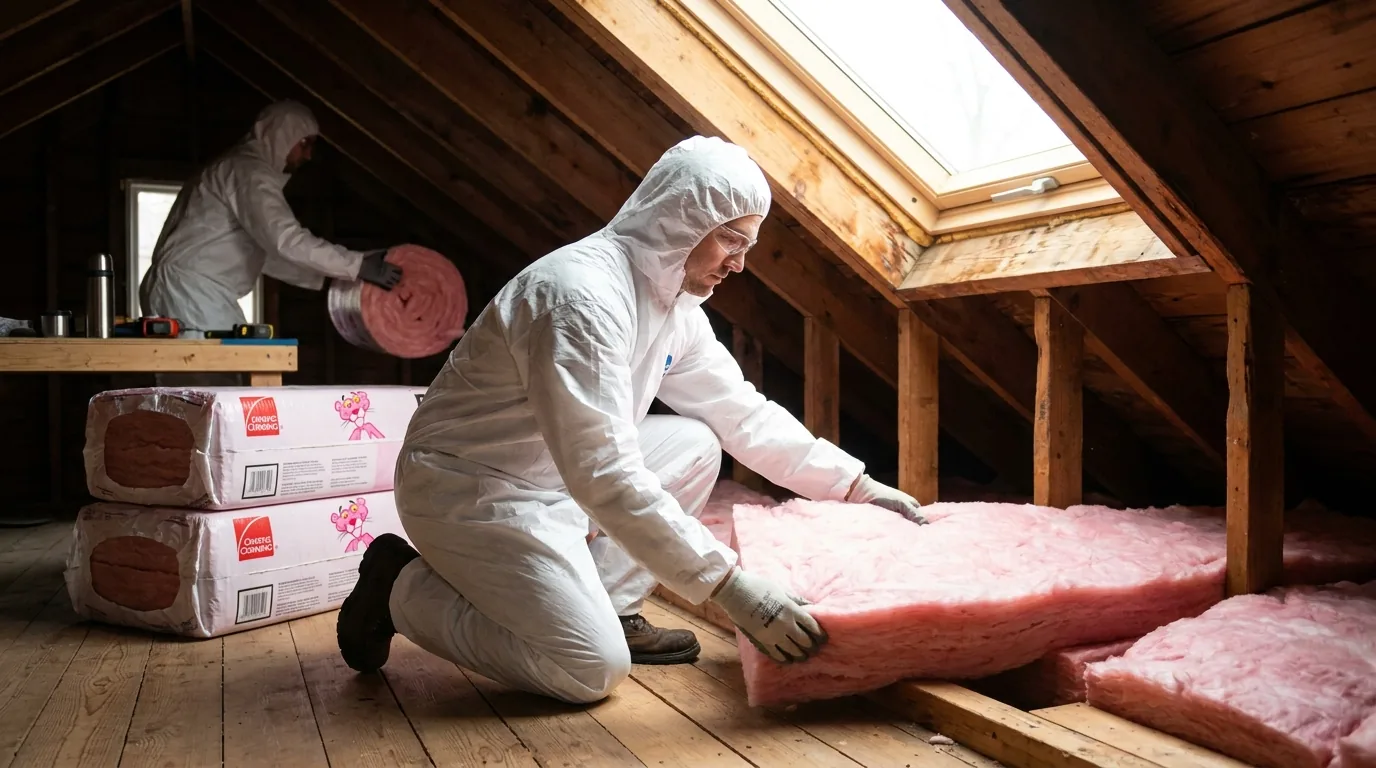
You cannot tell by eye whether vermiculite contains asbestos. Confirming it requires laboratory analysis of a sample. Because taking that sample can itself disturb fibres, this is not a DIY task. Trained professionals collect samples using proper containment and protective equipment, then send them to an accredited lab. In Ontario, asbestos work is also governed by Occupational Health and Safety Act regulations, which set strict rules for handling and removal.
A professional assessment tells you three things: whether asbestos is present, how much material there is, and what your safe options are. At PolarCore Systems, our vermiculite removal service begins with exactly this kind of careful evaluation.
If testing confirms asbestos, removal is a controlled abatement process, not an ordinary insulation job. Done properly, it involves:
This is precisely why we caution homeowners against attempting it themselves. The cost of professional removal is small compared with the health consequences of an improper job.
Once the space is cleared and verified, your attic or walls are effectively a blank slate, and an underinsulated one at that. This is the ideal moment to upgrade to modern, high-performance insulation. As an Owens Corning authorized installer, PolarCore fits PINK NEXT GEN® materials that dramatically improve comfort and lower heating bills through Ontario winters.
There is a financial upside, too. We are certified for the Ontario Home Energy Rebate Program, handle all the rebate paperwork on your behalf, and offer $0 upfront for most homes along with free assessments. In many cases, removal and re-insulation cost far less than homeowners expect. You can explore our related attic insulation options to see what a finished upgrade looks like.
Vermiculite is common in older Toronto and GTA homes, and it deserves respect rather than panic. Identify it, leave it undisturbed, test before you touch, and rely on certified professionals for removal and replacement. That sequence keeps your household safe and turns a hidden liability into a warmer, more efficient home.
If you think you have vermiculite in your attic or walls, do not disturb it, and do not wait to get expert eyes on it. Book your free assessment online today, or call PolarCore Systems at (647) 740-9246 or email info@polarcoresystems.ca. We serve Toronto, the GTA and communities across Ontario, and we will guide you safely from testing through to a fully re-insulated, rebate-supported home.
Book a free assessment — we’ll calculate your rebate eligibility and handle every form. $0 upfront for most homes.

A plain-language breakdown of the Ontario insulation rebates available in 2026, how much homeowners typically save on attic upgrades, and how PolarCore's $0-upfront model…
Read Article →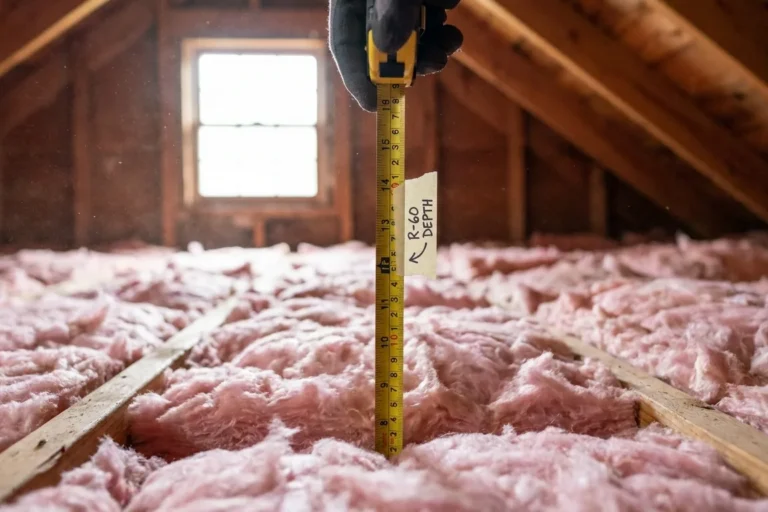
R-value measures how well insulation resists heat flow. Here's what Ontario's R-60 attic target means, how much depth it takes, and why topping up…
Read Article →
From climbing heating bills to cold floors and attic moisture, here are seven clear signs your Ontario home is due for an insulation upgrade…
Read Article →