How Much Can You Save with Ontario Insulation Rebates in 2026?
A plain-language breakdown of the Ontario insulation rebates available in 2026, how much homeowners typically save on attic upgrades, and how PolarCore's $0-upfront model…
Read Article →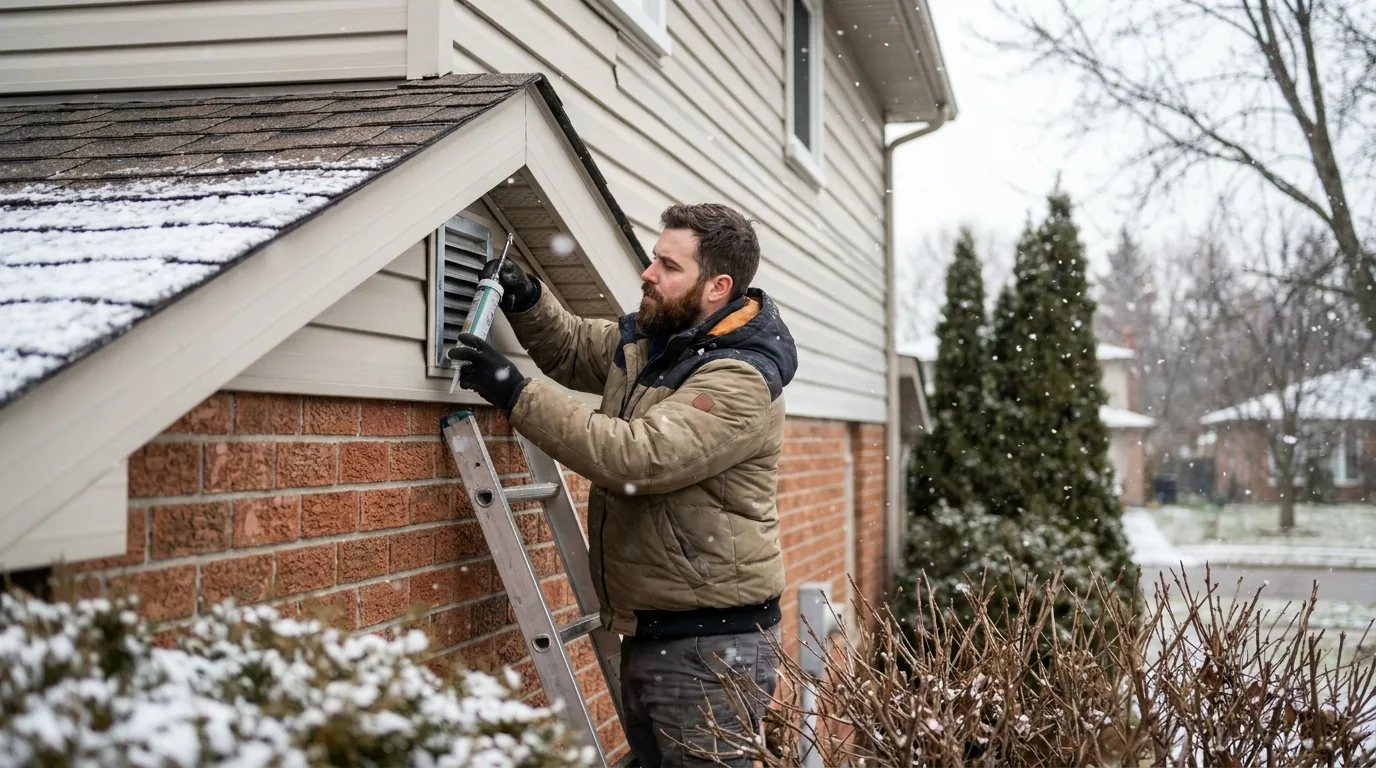
Ontario winters test every gap, seam and thin patch of insulation in your home. When temperatures drop well below freezing, warm air escapes upward and cold air seeps in through the places you never think about — the attic hatch, the rim joist above your foundation, the bottom of an exterior door. The result is a furnace that runs constantly, uneven room temperatures and higher energy bills.
The good news is that winter-proofing is largely a checklist you can work through methodically. Below is the same sequence our crews follow when we assess homes across Toronto, the GTA and Ontario, so you know exactly what to look at before the deep cold sets in.
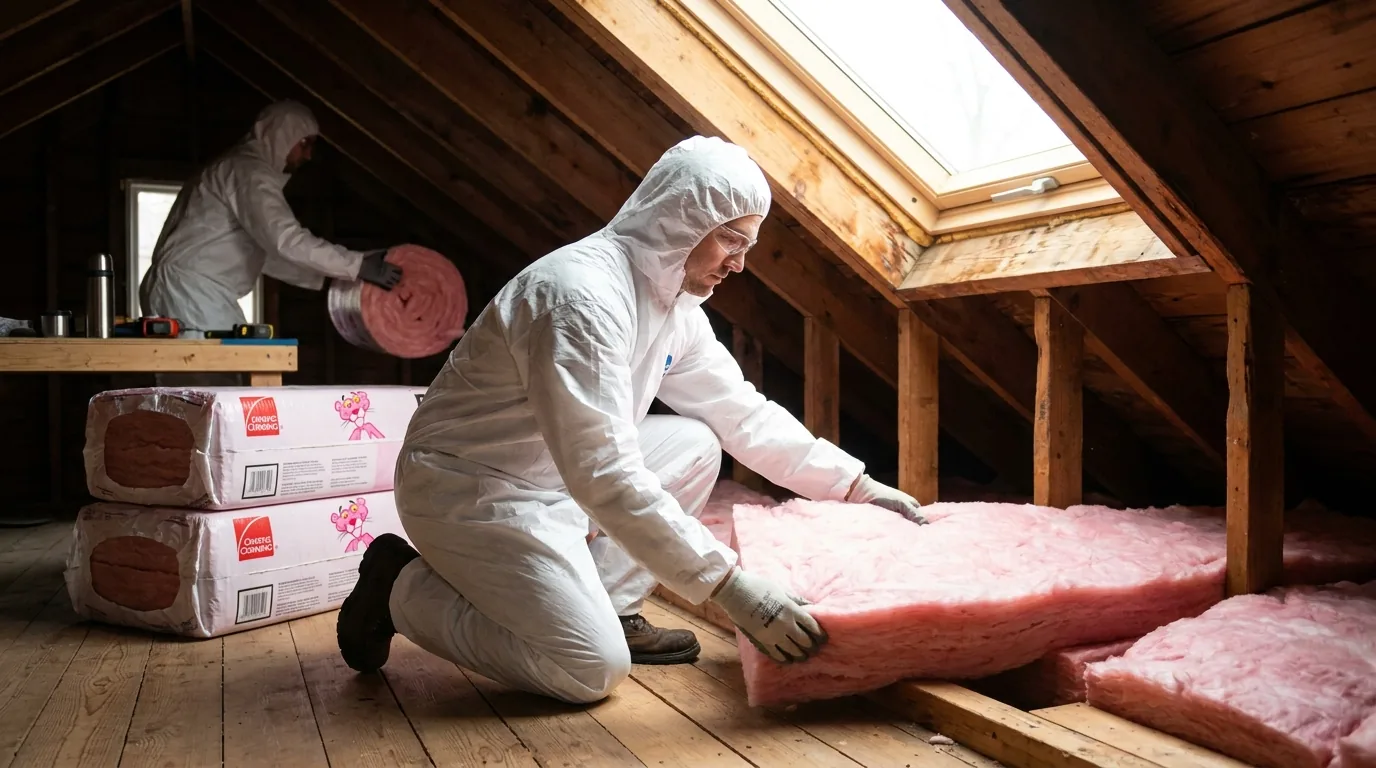
Heat rises, which makes the attic the single most important place to insulate. Many older Ontario homes were built with far less attic insulation than today’s standards recommend, and what’s there has often settled or compressed over the decades.
Current guidance for our climate zone calls for roughly R-50 to R-60 in the attic. If you can see the tops of your ceiling joists poking through the insulation, you almost certainly don’t have enough. A blown-in top-up over your existing material is usually the fastest, most cost-effective way to reach the recommended level.
Insulation slows heat transfer, but it does not stop air from moving through gaps. Air sealing is the step that often delivers the biggest comfort improvement, and it should be done before adding insulation on top.
Insulation without air sealing is like wearing a thick sweater with the zipper open — you still feel the draft.
The priority areas are the attic floor penetrations: plumbing stacks, wiring holes, recessed light fixtures, chimney chases and the top plates of interior walls. Sealing these with the appropriate materials keeps warm, moist household air from escaping into the attic, which also helps prevent ice dams and condensation problems over the winter.
The basement is where a surprising amount of heat is lost, and the rim joist — the wooden band that sits on top of your foundation wall — is one of the leakiest spots in the entire house. It is thin, often uninsulated, and directly exposed to the outdoors.
Insulating and sealing the rim joist, along with the foundation walls, warms up the floors above and keeps the whole lower level more comfortable. It’s one of the highest-return upgrades we complete. You can learn more about the options on our basement insulation page.
Weatherstripping is the least expensive item on this list, and it’s easy to inspect yourself. Over time, the seals around exterior doors and operable windows crack, flatten or pull away, letting cold air pour in at floor level.
The best time to address all of this is early autumn, before the first hard freeze and before installers get booked solid. A professional assessment ties the whole checklist together: we measure your current insulation levels, locate air leaks and prioritize the upgrades that will make the biggest difference for your specific home.
As a certified participant in the Ontario Home Energy Rebate Program and an Owens Corning authorized installer of PINK NEXT GEN® insulation, PolarCore Systems handles all of the rebate paperwork for you. For most homes there is $0 upfront, and every assessment is free. That means you can find out exactly where your home stands without any commitment or cost.
Don’t wait for the first cold snap to discover where your home is losing heat. Book your free, no-obligation assessment today and let our team build you a winter-ready plan — with the rebate paperwork already taken care of. Book your free assessment online, or call us at (647) 740-9246 to get started.
Book a free assessment — we’ll calculate your rebate eligibility and handle every form. $0 upfront for most homes.

A plain-language breakdown of the Ontario insulation rebates available in 2026, how much homeowners typically save on attic upgrades, and how PolarCore's $0-upfront model…
Read Article →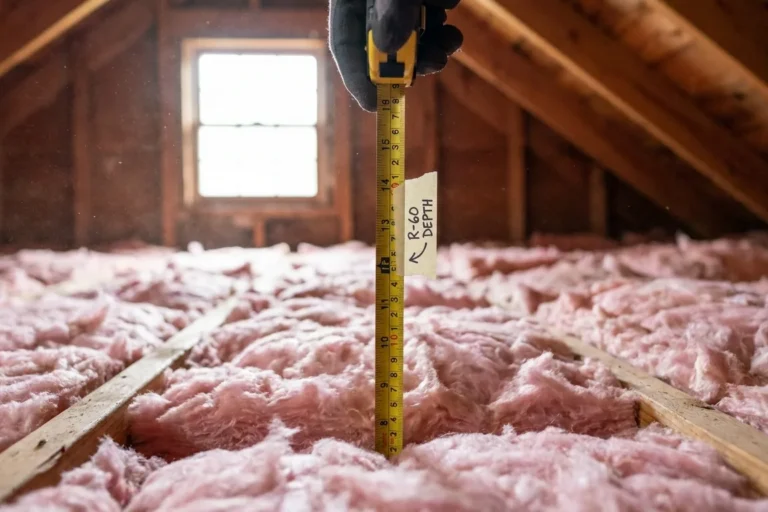
R-value measures how well insulation resists heat flow. Here's what Ontario's R-60 attic target means, how much depth it takes, and why topping up…
Read Article →
From climbing heating bills to cold floors and attic moisture, here are seven clear signs your Ontario home is due for an insulation upgrade…
Read Article →